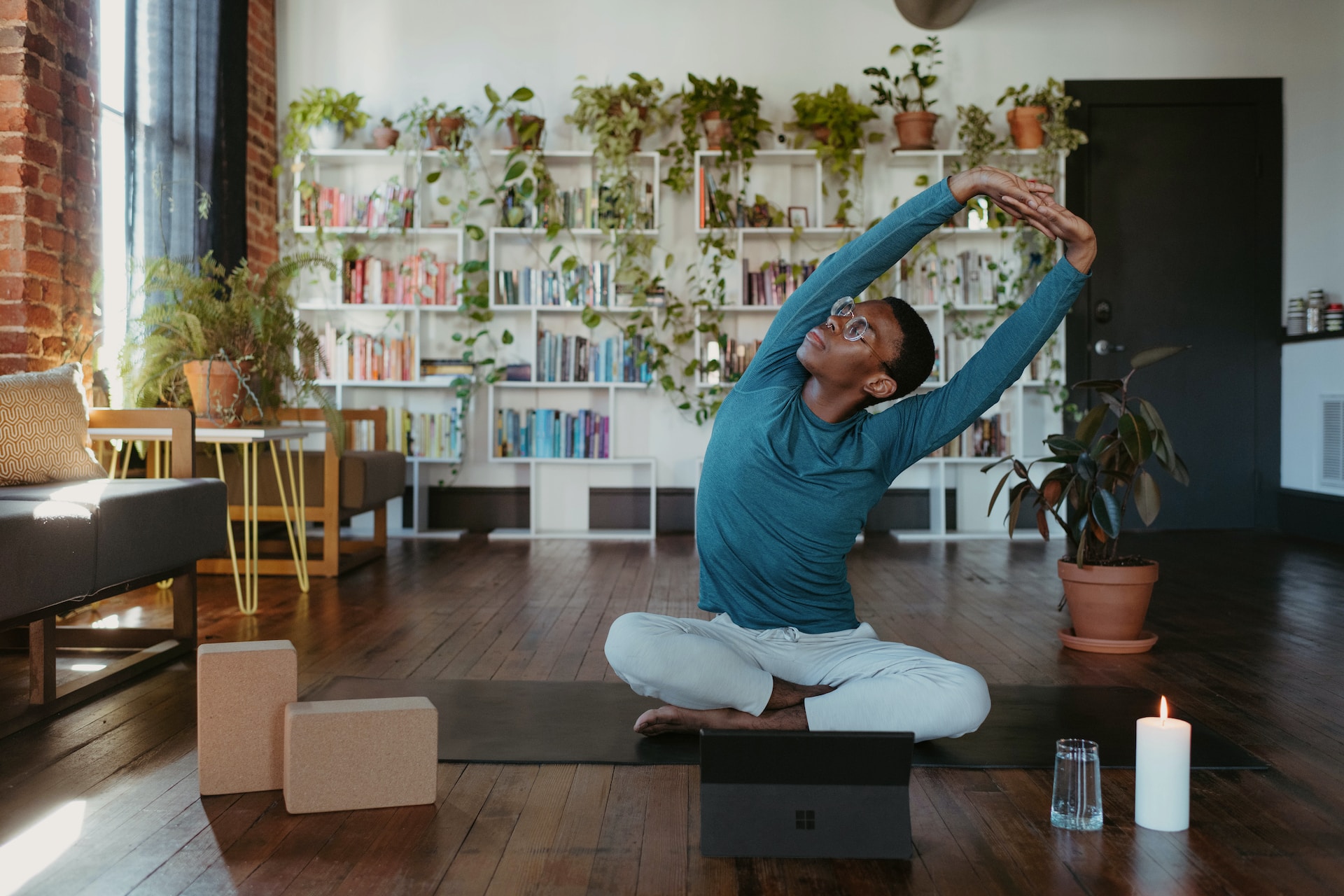
Setting up a home gym doesn’t have to break the bank. By thinking creatively and repurposing household items, you can transform your living space into a functional workout area without spending a fortune on expensive exercise equipment. This article will explore innovative ways to repurpose everyday items found in your home, allowing you to save money while staying fit and active. From furniture to kitchenware, you’ll discover a plethora of possibilities for turning ordinary objects into effective exercise tools.
Sturdy Chairs
Chairs are excellent for a variety of exercises. Utilize them for tricep dips, step-ups, or incline push-ups. A stable chair can serve as a platform for elevated leg exercises, while a dining chair with a backrest can assist with core workouts like seated Russian twists or decline sit-ups. Make sure the chair is sturdy and placed on a non-slip surface to ensure safety during your workouts.
Towels
Towels are versatile workout tools. For instance, a hand towel can be used for resistance exercises by providing tension during bicep curls or lateral raises. A larger bath towel can be wrapped around a pole or door handle to create a makeshift TRX suspension trainer, allowing you to engage in suspended bodyweight exercises. Additionally, towels can be used for stretching exercises or as sliders for engaging the core during mountain climbers or hamstring curls.
Water Bottles
Empty water bottles can be repurposed as weights for strength training. Fill them with water, sand, or even small pebbles to increase resistance. These makeshift dumbbells can be used for exercises such as bicep curls, overhead presses, or lateral raises. Adjust the water level to customize the weight according to your fitness level. Remember to secure the caps tightly to prevent any leakage during your workouts.
Books
Books can serve as a substitute for weight plates. Stack them in a backpack to create a weighted vest for bodyweight exercises, or hold them during lunges and squats to increase resistance. You can also perform exercises like Russian twists or chest presses by using books as makeshift medicine balls. Experiment with different book sizes and weights to find the right level of challenge for your workouts.
Stairs
If you have a staircase in your home, it can be a fantastic tool for cardiovascular workouts. Climbing up and down the stairs repeatedly can elevate your heart rate and provide an effective cardio session. To add variety, incorporate step-ups, box jumps, or calf raises on a single step. Ensure that the stairs are clear of any obstacles and take caution to maintain balance and prevent accidents.
Laundry Detergent Bottles
Empty laundry detergent bottles filled with water or sand can be used as makeshift kettlebells. They can be incorporated into exercises like kettlebell swings, goblet squats, or single-arm rows. The sturdy handle provides a secure grip, allowing for a wide range of functional movements.
Wall or Doorframe
The walls or doorframes in your home can be utilized for various exercises. Wall sits, where you lean against a wall in a seated position, are excellent for strengthening your lower body. Doorframe pull-ups or inverted rows can be done by gripping the top of a sturdy doorframe. Ensure that the structure is strong enough to support your weight and take precautions to avoid damage.
Soup Cans
If you don’t have dumbbells or weights, canned food items like soup cans can serve as light hand weights for exercises such as lateral raises, tricep extensions, or shoulder presses. The different weights of the cans allow you to customize the intensity of your workout. However, keep in mind that soup cans are best suited for beginners or exercises that require lighter weights.
Backpack
Fill a backpack with books, water bottles, or other household items to create a weighted backpack for exercises like walking lunges, squats, or even push-ups. Adjust the weight by adding or removing items from the backpack, allowing you to progress as your strength increases. Ensure that the backpack is secure and fits comfortably on your back during the exercises.
Plastic Bags
Plastic bags filled with sand or rice can be used as homemade sandbags. These can be lifted, carried, or used for exercises like squats, lunges, or overhead presses. Make sure to double-bag them for durability and avoid any sharp objects that could puncture the bags during use.
Repurposing household items for exercise equipment is a creative and cost-effective way to create a home gym on a budget. From laundry detergent bottles and wall exercises to soup cans and backpacks, there are endless possibilities for transforming everyday objects into workout tools. By thinking outside the box and utilizing what you have, you can achieve a full-body workout without investing in expensive equipment. Embrace the versatility of household items and let your imagination guide you in your fitness journey within the comfort of your own home.