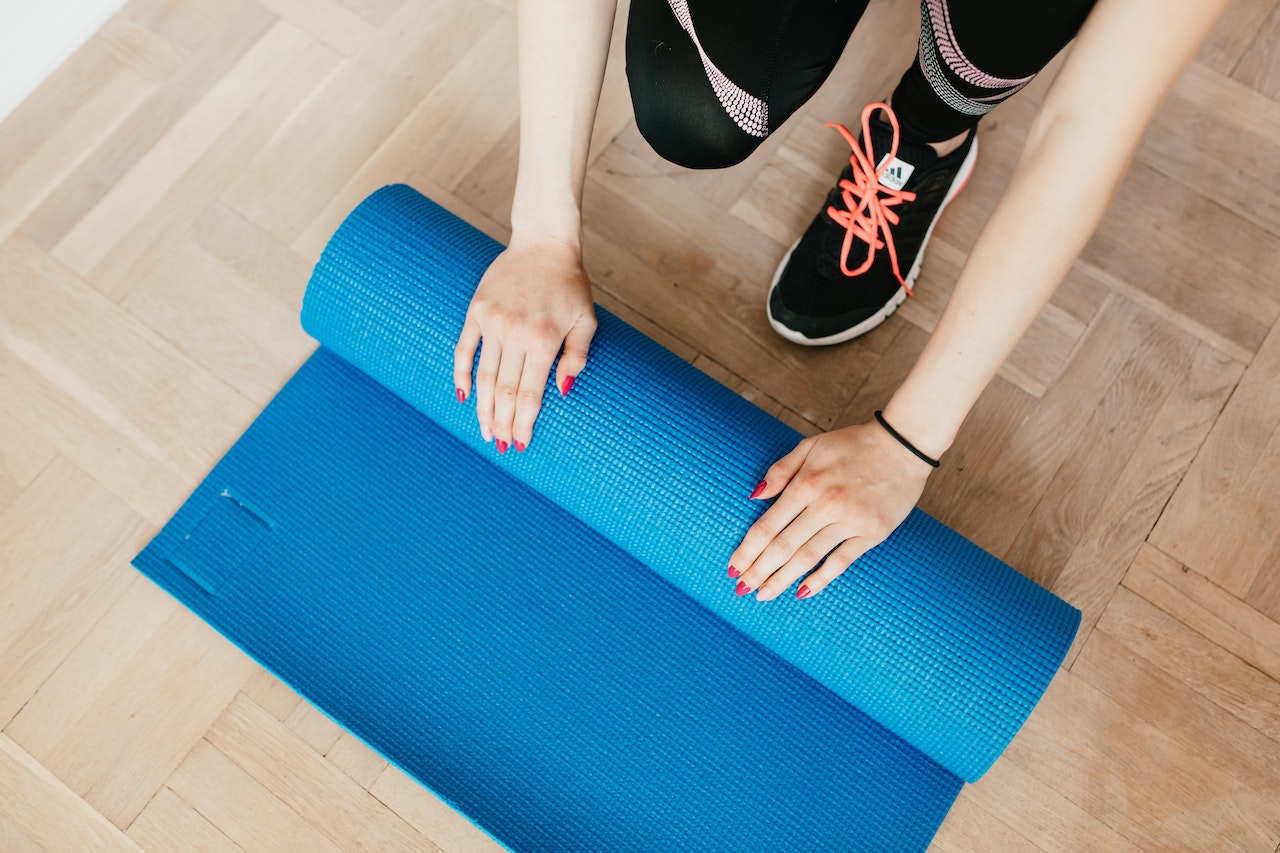
Building a DIY home gym is an exciting and cost-effective way to create a personalized workout space that fits your fitness needs. With a little creativity and resourcefulness, you can construct exercise equipment that rivals commercially available options without breaking the bank. This article will explore various DIY projects that allow you to build your own exercise equipment using easily accessible materials and tools. From weights and benches to pull-up bars and plyometric boxes, get ready to embark on a rewarding journey of crafting your very own home gym.
DIY Dumbbells
Create your own dumbbells by filling empty plastic bottles with sand, water, or cement. Choose the size and weight that suits your fitness level and preferences. Seal the bottles tightly and wrap them with duct tape for added durability. Alternatively, you can make adjustable dumbbells by threading a metal pipe through two large, stackable plastic containers, then securing the containers with nuts and washers. This way, you can add or remove weight plates as needed.
Homemade Plyometric Box
A plyometric box is a versatile piece of equipment for performing box jumps, step-ups, and other explosive exercises. To build your own, use plywood and screws to construct a sturdy box with different height options (e.g., 20 inches, 24 inches, and 30 inches). Sand the edges and corners for safety, and paint the box to protect the wood from wear and tear.
DIY Pull-Up Bar
Installing a pull-up bar in your home gym is easier than you might think. You can use galvanized steel pipes or metal bars secured with flanges to create a sturdy and stable pull-up bar. Attach the flanges to the wall or ceiling joists using heavy-duty screws or bolts. Make sure to measure and install the bar at a height that allows you to perform pull-ups comfortably.
Homemade Weighted Sandbags
Weighted sandbags are excellent for functional training and strength workouts. Use heavy-duty duffel bags and fill them with sand, dried rice, or pea gravel to create different weight options. Seal the bags securely, and then wrap them with duct tape or place them inside a second bag for added reinforcement.
DIY Suspension Trainer
Construct your own suspension trainer using webbing straps, carabiners, and PVC pipe handles. Cut the webbing straps to your desired length and attach them to anchor points on a wall or ceiling. Attach the handles to the webbing using carabiners. Suspension trainers are ideal for bodyweight exercises, such as rows, push-ups, and suspended lunges.
Homemade Medicine Balls
Make your own medicine balls using basketballs or soccer balls and sand or rubber pellets. Cut a small hole in the ball and fill it with the chosen material, then seal the hole tightly with adhesive or duct tape. The weight of the medicine ball can be adjusted by varying the amount of sand or pellets used.
DIY Adjustable Bench
An adjustable bench is a valuable addition to any home gym. You can build one using plywood, hinges, and foam padding. Cut the plywood to the desired dimensions, attach hinges to create the adjustable angle, and add foam padding for comfort. Ensure the bench is sturdy and stable before using it for exercises like chest presses, incline or decline bench presses, and seated dumbbell exercises.
DIY Slam Ball
A slam ball is a versatile tool for dynamic exercises, such as ball slams and rotational throws. To make your own, choose a durable rubber ball, such as a basketball or volleyball, and fill it with sand or rubber pellets. Make sure the ball is tightly sealed and reinforced with duct tape. A DIY slam ball will save you money and offer the same benefits as a store-bought one.
Homemade Parallettes
Parallettes are perfect for performing gymnastic-style exercises and bodyweight movements, such as L-sits, handstands, and push-ups. You can create your own parallettes using PVC pipes, wood dowels, or metal bars. Cut the pipes or dowels to your desired length and attach them to wooden bases or floor flanges. Sand the edges for comfort and stability, and use non-slip grips for added safety.
DIY Battle Ropes
Battle ropes are excellent for high-intensity cardio and strength workouts. To make your own, you’ll need a length of heavy-duty nylon or polypropylene rope. Secure the ends of the rope with knots or clamps to prevent fraying. You can then attach the ropes to a sturdy anchor point or wrap them around a tree or pole. Adjust the length and thickness of the ropes based on your fitness level and workout preferences.
PVC Pipe Weights
PVC pipe weights are a budget-friendly alternative to traditional dumbbells. Fill PVC pipes with sand or concrete mix, and cap the ends with PVC caps or tape. You can create different lengths and diameters to vary the weight and grip. PVC pipe weights are especially useful for functional exercises and core workouts.
DIY Agility Ladder
An agility ladder is a valuable tool for improving footwork, speed, and agility. To make your own, use strong nylon webbing or rope and create ladder rungs by securing them at equal intervals using duct tape or zip ties. Lay the ladder flat on the ground or tape it to a hard surface. The DIY agility ladder can be used for various agility drills and quick feet exercises.
Homemade Bench Press Rack
A bench press rack is a staple in any home gym. Construct one using sturdy wood beams or metal pipes. Use flanges or brackets to secure the vertical supports to the floor or wall. Make sure the rack is adjustable in height to accommodate different exercises and users. Pair the bench press rack with an adjustable bench for a complete setup.
Building your own exercise equipment for a DIY home gym allows you to customize your workouts while saving money. With some basic tools, readily available materials, and a little ingenuity, you can create a range of versatile and functional pieces of equipment. From dumbbells and pull-up bars to plyometric boxes and medicine balls, these homemade creations can elevate your workout experience and help you achieve your fitness goals. Embrace the joy of DIY projects, and enjoy the satisfaction of working out with equipment that you’ve crafted with your own hands.